Seasoned by History: How Phu Quoc and Phan Thiết Are Putting Ancient Spice Routes Back on the Map
There's a moment, somewhere between grinding fresh pepper on a farm outside Phan Thiết and watching a Phu Quoc cook fold fish sauce into a broth that smells like the ocean itself, when it hits you: this isn't just a meal. It's a history lesson served warm.
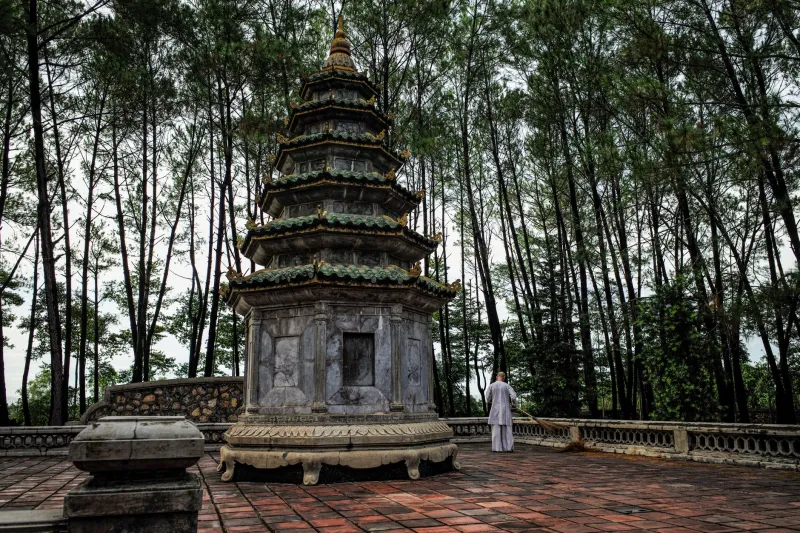
For centuries, the coastlines of southern Vietnam weren't just scenic backdrops. They were working arteries of global trade. Arab merchants, Chinese junks, Portuguese sailors, and Dutch traders all moved through these waters, loading up on pepper, cinnamon, and fermented fish products that would eventually reshape cuisines from Lisbon to London. Phu Quoc and Phan Thiết weren't on the margins of that story — they were central to it. And after a long stretch of being overshadowed by their own beaches, both destinations are finally leaning back into that legacy.
The Route That Ran Through Here
Most Americans think of the Spice Route as something that happened in the Middle East or Indonesia. But the South China Sea was just as critical, and Vietnam's southern coast sat squarely in the middle of it. Phu Quoc's black pepper — still considered among the finest in the world — was moving through regional trade networks as far back as the 17th century. Phan Thiết's fish sauce, known locally as nước mắm, was already a prized export commodity before French colonists arrived and started documenting it.
What's interesting now is that this history isn't just being preserved in museums. It's being activated in kitchens, on farms, and in cooking classes where travelers can get their hands dirty alongside the people who've kept these traditions alive.
Farm Tables That Actually Sit on Farms
The farm-to-table movement in the US often means a restaurant that sources from a nearby county. In Phu Quoc, it can mean eating lunch twenty feet from the pepper vines your meal came from.
A handful of small operations on the island have started opening their farms to visitors in a more intentional way — not just as a photo opportunity, but as a full culinary experience. You'll sit down to a meal where the pepper in your soup was harvested that morning, where the herbs came from a garden you walked through an hour earlier, and where the host can tell you, in detail, how their family has been cultivating the same varietals for four or five generations.
It's the kind of context that changes how food tastes. And for American travelers who've grown up with grocery store spices that have no story attached to them, it tends to land pretty hard.
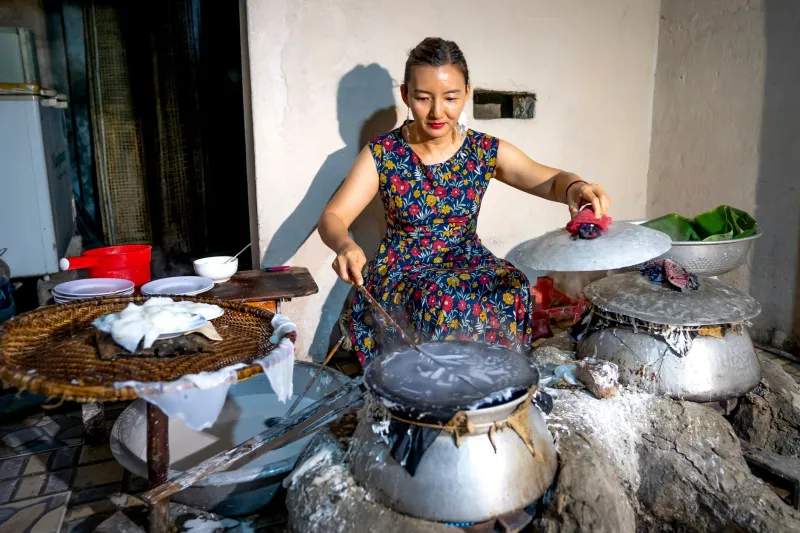
Phan Thiết has been developing something similar around its pepper-growing communities in the red-soil hills outside the city. A few local guides now run half-day tours that combine farm visits with hands-on cooking sessions — you grind your own spice blends, you learn how fermentation works, and you leave with a small jar of something you actually made. It's low-key, it's genuine, and it's exactly the kind of experience that doesn't show up in resort brochures.
International Chefs Are Paying Attention
Here's a signal worth noting: over the past few years, a growing number of internationally recognized chefs have been making quiet pilgrimages to both destinations. Not to open restaurants. Not to film cooking shows. Just to taste, learn, and source.
Vietnamese fish sauce has been creeping into high-end American and European kitchens for a while now, but the interest has shifted from the product itself to the provenance. Chefs want to know which island the fish came from, which family made it, how long it was fermented. Phu Quoc's fish sauce producers — some of whom are now running small-scale tasting rooms alongside their barrel rooms — are finding that this level of curiosity is good for business and good for preservation.
Same goes for Phan Thiết's pepper. There's a growing niche of specialty food importers in the US who are specifically seeking out single-origin Vietnamese pepper, and the farms that can tell a compelling story about their land and methods are the ones getting the calls.
Cooking Classes With Actual Depth
Cooking classes are everywhere in Vietnam. Most tourist-facing ones are fine — you make spring rolls, you eat them, you leave happy. But the classes emerging around Phu Quoc and Phan Thiết's spice culture are operating on a different level.
Some are run directly by spice farmers who've partnered with local cooks to offer half-day or full-day immersions. You might start at the farm, learning how pepper is harvested and processed, then move into a home kitchen to cook dishes that specifically showcase that ingredient in multiple forms. The goal isn't to teach you a recipe you'll recreate back in Ohio. It's to give you an understanding of why this spice, from this soil, prepared this way, tastes the way it does.
A few of these experiences also weave in the trade history — not in a lecture-heavy way, but through conversation. You'll hear about the old merchant ships, about which foreign traders prized which local ingredients, about how the global appetite for Vietnamese spices shaped the local economy for generations. It's history that feels lived-in rather than curated.
What This Means for Food Travelers
If your version of a great trip involves eating well and understanding where the food comes from, Phu Quoc and Phan Thiết are offering something increasingly rare: culinary tourism that's rooted in a real, verifiable history rather than manufactured authenticity.
The spice routes that passed through these coastlines weren't a footnote. They were formative. The pepper that grew in Phu Quoc's soil helped flavor European tables during an era when spices were worth more than gold. The fish sauce barrels aging in Phan Thiết's coastal warehouses are part of a fermentation tradition that predates most of what we'd call modern cuisine.
Both destinations are still figuring out how to tell that story at scale without losing the intimacy that makes it worth telling. But the foundation is there, and the people doing the work — the farmers, the cooks, the guides who know which back road leads to the best pepper farm — are genuinely invested in it.
For American travelers who've already done the beach vacation and want something that sticks with them longer than a tan, this is the version of Vietnam worth booking. Come hungry, come curious, and leave knowing that the spices in your kitchen back home have a longer, stranger, more interesting story than the label ever let on.