Slow Down, Stay Longer: How Phu Quoc's Residential Streets Are Quietly Becoming Home for American Remote Workers
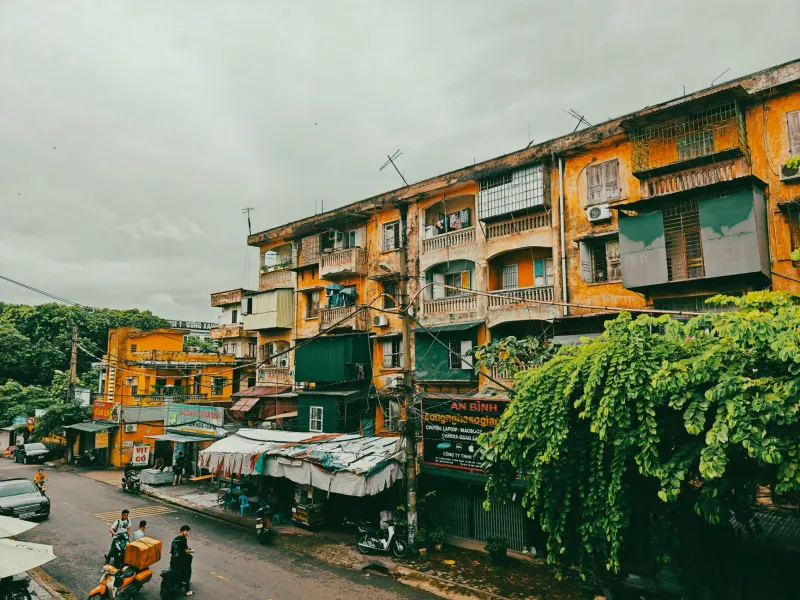
There's a house on a side street in Duong Dong where the landlady, Bà Hoa, keeps a small shrine near the front door and hangs laundry on a line that stretches between two mango trees. Her tenant, a UX designer from Austin named Marcus, has lived there for eleven months. He pays $320 a month. He knows the name of her youngest granddaughter. He brings back bánh mì from the end of the block every Sunday morning because Bà Hoa mentioned once, offhand, that she likes the ones with pâté.
This is not the Phu Quoc you see in travel ads.
It's not the infinity pool version, or the sunset cocktail version, or even the backpacker hostel version. It's something quieter and harder to photograph — a version of island life that a small but growing number of American remote workers are choosing deliberately, sometimes permanently.
The Move Nobody's Posting About
The pandemic reshuffled a lot of assumptions about where work has to happen. And while Bali and Lisbon grabbed most of the headlines, a subset of location-independent Americans started looking somewhere less obvious: Vietnam's southern coast.
Phu Quoc had the infrastructure — decent internet, international flights, a developing expat services sector — but without the overcrowded digital nomad scene that had started to feel, to some people, like just another version of an open-plan office. The island's residential neighborhoods, places like An Thoi, Cua Can, and the quieter back streets of Duong Dong, offered something different: actual community, actual routine, actual life happening around you rather than for you.
"I tried Chiang Mai. I tried Medellín," says Priya, a content strategist from Seattle who's been on the island for about fourteen months. "Those places have great nomad infrastructure, but after a while you're just hanging out with other Americans who are also running from something. Here, I actually know my neighbors. I know where the good morning market is. I feel like I live somewhere."
That distinction — between passing through and actually living — comes up again and again when you talk to Americans who've settled into Phu Quoc's residential fabric.
What It Actually Costs
The numbers are part of the draw, no question. A furnished two-bedroom house in a local neighborhood runs anywhere from $250 to $500 a month depending on location and amenities. A full meal at a family-run quán costs less than $3. A motorbike rental, which is how most people actually get around once they've left the resort corridors, runs about $60 to $80 a month.
For someone earning a US salary — even a modest one — the math is hard to argue with. Marcus estimates he spends about $1,100 a month total, including rent, food, a gym membership, and occasional splurges on seafood dinners closer to the beach. "I was spending more than that on rent alone in Austin," he says. "And I wasn't saving anything."
But the people who stay longest tend to say the cost advantage is almost secondary. What keeps them is the pace.
Mornings That Don't Rush You
Life in Phu Quoc's residential neighborhoods runs on a different clock than the tourist zones. Markets open before dawn and wind down by mid-morning. Afternoons get hot and slow. The ocean is close enough that a quick swim before a 2 p.m. call is entirely reasonable.
There's also the food — and not the food that gets written up in travel guides. The stuff that locals actually eat: bún kèn, a coconut-based fish noodle soup that's almost impossible to find outside the island; grilled squid from a cart that shows up at the same corner every evening; fresh coconut water handed to you by a woman who's been selling from the same spot for twenty years.
Priya has started documenting some of it on a newsletter she sends to about 400 subscribers. "It started as a way to process the experience," she says. "Now it's become this weird archive of a neighborhood that's changing really fast."
The Part Nobody Wants to Talk About
That word — changing — carries weight here.
Phu Quoc has been in the middle of a major development boom for the better part of a decade. Resort complexes, casinos, theme parks, cable cars: the northern and western coasts have been remade in ways that feel, to longtime visitors, almost disorienting. Land prices have spiked. Longtime residents have sold family plots and moved further inland. Some villages have been absorbed into resort infrastructure so completely that the village part is barely visible anymore.
The arrival of foreign remote workers — even the ones renting modest homes and shopping at local markets — is not a neutral act in this context. Money flows in. Expectations shift. Landlords start to see their properties differently.
Bà Hoa, Marcus's landlord, is thoughtful when asked about it. She says she appreciates the reliable income and that Marcus is respectful — he takes off his shoes, he doesn't have loud parties, he once helped her nephew fix a motorbike. But she also says she worries about what happens when more people like him arrive. "The island is changing," she says, through a neighbor who translates. "I don't know if it changes for us or away from us."
It's an honest distinction. And it's one that the Americans who've been here long enough tend to wrestle with.
"I'm aware that my presence here is complicated," Marcus says. "I try to spend money locally, learn some Vietnamese, not treat the place like a backdrop for my lifestyle. But I also know that's not enough on its own. The structural stuff — land rights, zoning, who benefits from tourism development — that's way above my pay grade to fix."
What Integration Actually Looks Like
The Americans who seem to integrate most genuinely are the ones who show up without an agenda. They're not here to build a brand or launch a podcast about slow living. They're here because they found a place that felt real and they wanted to stay in it.
Some have started taking Vietnamese language classes — not the tourist phrase-book kind, but actual conversational lessons with local teachers. A few have gotten involved with community initiatives: beach cleanups, small donations to local schools, helping a neighborhood association navigate a zoning dispute.
None of it resolves the underlying tension. Phu Quoc is a place in motion, and outside money — whether it's from a Hanoi developer or an Austin UX designer — shapes that motion whether it means to or not.
But there's something worth paying attention to in the version of expat life that's happening on these side streets. It's slower, more accountable, and more honest about what it means to choose someone else's home as your own.
Bà Hoa still hangs her laundry between the mango trees. Marcus still brings back bánh mì on Sundays. The shrine by the front door gets fresh flowers every week.
It's not a solution. But it might be a start.