The Island Exhales: What Phu Quoc Looks Like When the Tourists Go Home
There's a version of Phu Quoc that most American travelers never get to see. It doesn't show up in the glossy resort ads or the Instagram reels scored with lo-fi beats. It exists somewhere between May and September, when the skies turn moody, the charter flights thin out, and the island quietly remembers who it actually belongs to.
That version — the one where a fisherman can walk the full length of Long Beach without stepping around a single sun lounger — might be the best version of all.
What "Off-Season" Actually Means Here
Phu Quoc's low season runs roughly from May through October, overlapping with Vietnam's southwest monsoon. Rainfall picks up, humidity climbs, and the sea gets choppier on the western coast. For travelers conditioned to chase perfect weather, those words read like a warning label.
But here's the thing about monsoon season on a tropical island: it's rarely what you picture. Rain typically arrives in short, dramatic bursts — an hour of intensity, then clear skies and cooler air. Mornings, especially, tend to be stunning. The kind of still, golden-lit quiet that makes you feel like you've stumbled onto a film set before the crew arrives.
And because most visitors have already booked Bali or Cancún, you get all of it to yourself.
Empty Shores That Feel Like a Secret
Star Beach, on Phu Quoc's southern tip, is a good example of the transformation. During peak season — November through March — it draws steady crowds of European package tourists and Vietnamese families on holiday. Vendors, umbrellas, the whole production.
Come back in July, and you might share the beach with a handful of locals and a few backpackers who've figured out the math. The water is still warm. The sand is still white. The difference is the silence, which turns out to be the most underrated luxury in travel.
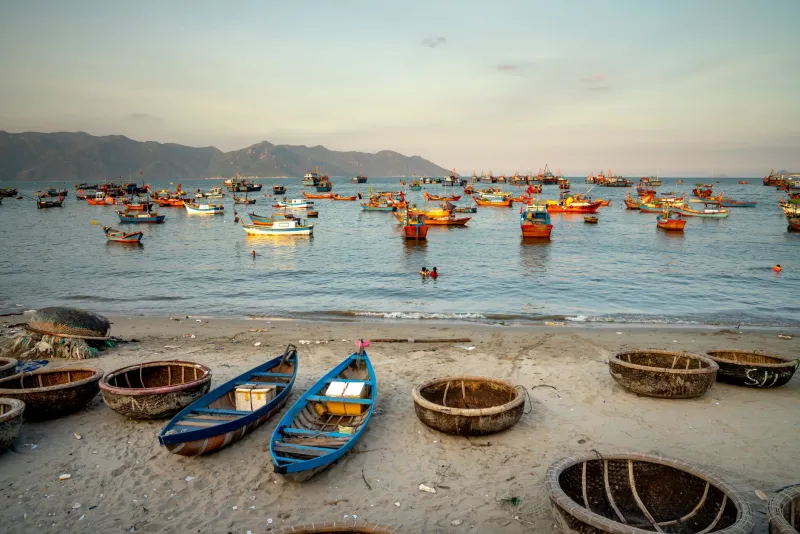
Bai Vong Beach, closer to the eastern ferry terminal, goes through a similar shift. Local fishing boats still work the shallows in the early morning. Kids from the nearby villages show up in the late afternoon. The rhythm there isn't built around check-in times — it's built around tides and school schedules, which makes it feel genuinely alive in a way that peak-season tourism rarely allows.
Budget That Actually Makes Sense
Let's talk money, because this is where the off-season argument gets really compelling for American travelers.
Accommodation rates across Phu Quoc can drop anywhere from 30 to 50 percent during the low months. Boutique guesthouses that would cost $120 a night in December regularly list for $60 or less in June. Some of the smaller family-run spots near Duong Dong town — the kind with ceiling fans, good Wi-Fi, and a breakfast that's actually cooked by someone who cares — go for under $40.
For that price, you're not sacrificing comfort. You're trading pool-party energy for something quieter and, honestly, more interesting. Staff at smaller properties have more time to talk, make recommendations, and occasionally invite you to eat with their family. That doesn't happen when the place is at capacity.
Flight prices follow the same logic. Routing through a major Southeast Asian hub — Bangkok, Singapore, Kuala Lumpur — during off-peak travel windows can shave hundreds off your airfare. If you're working with a flexible schedule and a budget that needs to stretch, there's no better time to make Phu Quoc work.
The Locals Who Come Back
One of the more unexpected pleasures of visiting Phu Quoc in the low season is watching the island recalibrate. Vendors who spend peak months hustling at the night market in Duong Dong take longer lunches. Restaurant owners sit out front with coffee instead of managing a waitlist. The pace drops, and in that drop, something genuine surfaces.
Fishermen from Ham Ninh village — a small community on the eastern coast known for its stilted wooden houses and seafood — are easier to approach during these months. A few speak enough English to share stories about the island before the resort developments arrived, back when the beaches had different names and the fish were more plentiful. Those conversations don't cost anything, but they're worth more than most paid tours.
If you're the kind of traveler who came to Vietnam to actually connect with the place rather than photograph it, the off-season is when that becomes possible.
What to Do When the Beach Isn't Perfect
On days when the weather doesn't cooperate — and there will be a few — Phu Quoc has enough going on inland to fill the time without frustration.
The national park covers more than half the island and stays navigable even during moderate rain. Trails through the forest lead to streams and viewpoints that see almost no foot traffic during low season. The pepper farms and fish sauce producers scattered across the island are more accessible and more welcoming when they're not managing tour group traffic. A few of the smaller distilleries near the northern villages will let you sit and watch the process if you show up with genuine curiosity and no particular agenda.
Duong Dong itself is worth exploring slowly. The central market runs every morning regardless of season, and the produce and seafood on offer reflect what's actually being caught and grown on the island right now — not what's been optimized for tourist menus.
A Different Kind of Luxury
American travel culture has a complicated relationship with discomfort. We tend to plan vacations as a hedge against uncertainty — guaranteed sunshine, confirmed reservations, curated experiences. There's nothing wrong with that. But it does mean we sometimes optimize our way out of the best parts.
Phu Quoc in the off-season asks you to loosen that grip a little. To book a guesthouse with a good cancellation policy and see what the morning looks like. To walk a beach that isn't performing for anyone. To eat at a restaurant where the owner chose the day's menu based on what came off the boats that morning.
That's not roughing it. That's actually traveling.
The island is still there in all its genuine, complicated, beautiful form. It's just not trying to impress you. And somehow, that makes it more impressive than ever.