Cast Nets, Not Shadows: Why Phu Quoc's Fishing Villages Are the New Luxury for American Travelers
There's a version of Phu Quoc that looks great in a brochure. Infinity pools that bleed into the horizon. Spa packages. Swim-up bars. It's beautiful, honestly. But somewhere between the third poolside cocktail and the fourth identical sunset photo, a lot of American travelers start wondering: Is this actually Vietnam?
The answer, more or less, is no.
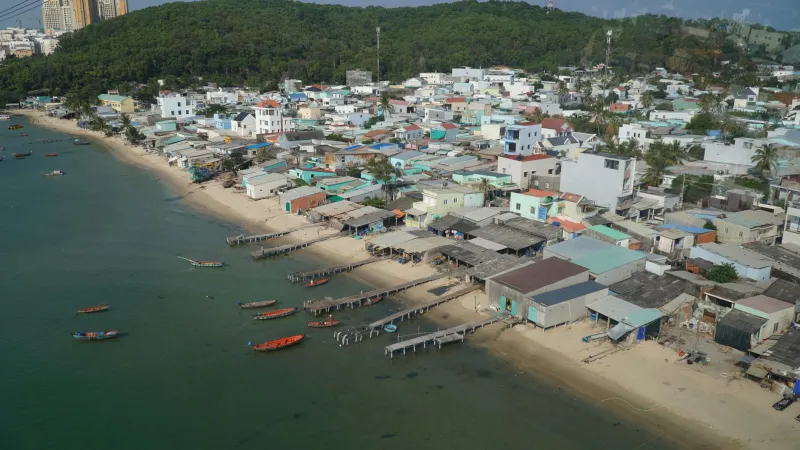
The real Phu Quoc — the one that existed long before the resort cranes showed up — lives in the fishing villages that dot the island's less-photographed coastline. Places like Ham Ninh, Ganh Dau, and the quieter northern stretches near Rach Tram. These aren't tourist attractions in the traditional sense. They're working communities where people still haul nets before sunrise, mend lines by hand, and cook with whatever came off the boat that morning. And increasingly, they're exactly where savvy American travelers are choosing to spend their time.
What "Authentic" Actually Looks Like Here
Ham Ninh is probably the most accessible starting point. It's a small village on the island's east coast, about 25 kilometers from Duong Dong, and it has the kind of lived-in energy that no resort designer could manufacture. Wooden fishing boats crowd the narrow pier. Older women sit in open-air stalls cracking crab claws with a speed that's almost meditative. Kids run barefoot on docks that have been worn smooth by decades of foot traffic.
A handful of local guesthouses and homestay operators in and around Ham Ninh now offer structured stays that let you move at the rhythm of village life rather than a resort schedule. That means waking up early — genuinely early, like 4:30 a.m. early — to watch the boats return from overnight trips. It means sitting with a fisherman while he repairs a net and learning, through hand gestures and broken translation, that the technique hasn't changed much in three generations.
Is it glamorous? Not in the traditional sense. But ask anyone who's done it and they'll tell you it hits different than a couples' massage.
The Table Is the Whole Point
Here's where things get genuinely extraordinary. In these villages, lunch isn't a menu — it's a negotiation between what was caught and what the family knows how to do with it. You might sit down to a spread of steamed mud crab with salt and lime, a broth-heavy soup built from fish heads and lemongrass, grilled squid that was swimming two hours ago, and a pile of morning glory sautéed with garlic that somehow outshines everything else on the table.
This is family-style eating in its most literal form. You're often seated with the household, passing dishes across a low table, being handed more rice before you've finished asking for it. There's no prix fixe here, no curated tasting menu. Just generosity and an almost aggressive freshness that makes the seafood back home taste like a distant memory.
For American travelers who've gotten into the farm-to-table movement, this is the concept taken to its logical extreme. You're not reading about the provenance of your fish on a chalkboard. You watched it come off the boat.
The Instagram Problem (And Why It Doesn't Matter)
Let's be real: a lot of travel content gets driven by what photographs well. And yes, these villages are visually stunning in ways that feel genuinely earned. The golden light on weathered wooden hulls. The geometry of drying nets strung between poles. The steam rising from a pot of soup in an open kitchen. Your feed will not suffer.
But here's the thing that separates this kind of travel from the performative kind — the context actually matters. When you post a photo of a fisherman coiling rope at dawn, you're not just sharing an aesthetic. You're sharing someone's livelihood, their morning, their craft. That shift in meaning is something travelers are increasingly hungry for, especially Americans who've started to feel like international tourism has become a kind of elaborate stage set built for their benefit.
The villages of Phu Quoc aren't performing for anyone. They were here before the tourists arrived, and they'll be here after. Being welcomed into that — even briefly, even as an outsider — carries a weight that no resort experience can replicate.
How to Actually Do This Trip
A few practical notes for anyone ready to trade the pool deck for a fishing pier:
Get a local fixer or guide. Most of these village experiences aren't listed on mainstream booking platforms. A local guide based in Duong Dong can connect you with homestay families, arrange morning boat trips, and handle the translation that makes the difference between a surface visit and a genuine exchange. Ask your hotel concierge, or look for small-group tour operators who specifically mention village access in their descriptions.
Go in the dry season, but not peak. November through April is the sweet spot weather-wise, but aim for the shoulders — November or early April — when the villages are active but not overwhelmed. Peak season brings day-trippers even to Ham Ninh, and you'll feel the difference.
Bring cash and patience. Village guesthouses don't take Venmo. Some don't have menus. The pace of life is slower and that's entirely the point. If you need to be somewhere at a specific time, this experience will frustrate you. If you're willing to let the day unfold on its own terms, it will probably be the best day of your trip.
Learn two phrases. Cảm ơn (thank you) and ngon quá (so delicious) will take you further than you'd expect. People notice when you try, and in a village context, that effort lands.
Redefining What Luxury Means
The travel industry has spent decades training Americans to equate luxury with thread counts and amenities. And look — there's nothing wrong with a nice hotel. Phu Quoc has some genuinely excellent ones, and this article isn't here to shame anyone for enjoying them.
But a growing number of US travelers are pushing back on the idea that comfort and meaning are the same thing. They want experiences that feel earned rather than purchased. They want to come home with stories, not just photos. They want to feel like they actually went somewhere rather than just relocated their lifestyle to a different longitude.
Phu Quoc's fishing villages offer exactly that. The luxury here isn't in the thread count. It's in the trust that gets extended when a family invites you to their table. It's in the quiet satisfaction of learning something real about how people live. It's in the soup — always, inevitably, in the soup.
Some things genuinely can't be packaged. That's what makes them worth finding.