Patience in a Wooden Barrel: A Home Cook's Guide to Phu Quoc Fish Sauce

Photo: Giles Laurent, CC BY-SA 4.0, via Wikimedia Commons
Most travelers meet Phu Quoc fish sauce in a plastic bottle at the night market or a dipping bowl beside a plate of spring rolls. That is fine, but it is only the last chapter. The real story starts in a shaded courtyard where rows of wooden barrels sit like patient coworkers, and the air smells of salt, anchovy, and sunlight doing slow business.
These family-run houses are not theme-park attractions. They are small businesses that have survived by making the same product for generations, and more of them are opening their doors to visitors who want to understand what they are tasting. The trick is to visit like a guest, not an inspector.
What Actually Happens in a Barrel Room
The process is simple enough to explain and stubborn enough to resist shortcuts. Fresh anchovies are layered with sea salt in large wooden barrels, usually in a ratio that families guard like a secret handshake. The mixture ferments for months, often 12 to 18 months, while the sun warms the barrels and the salt pulls liquid from the fish. The first liquid drawn off is the most prized: nuoc mam nhi, or first-extract fish sauce. It is dark, clear, and intensely savory, not the flat brown liquid many Americans know from supermarket shelves.
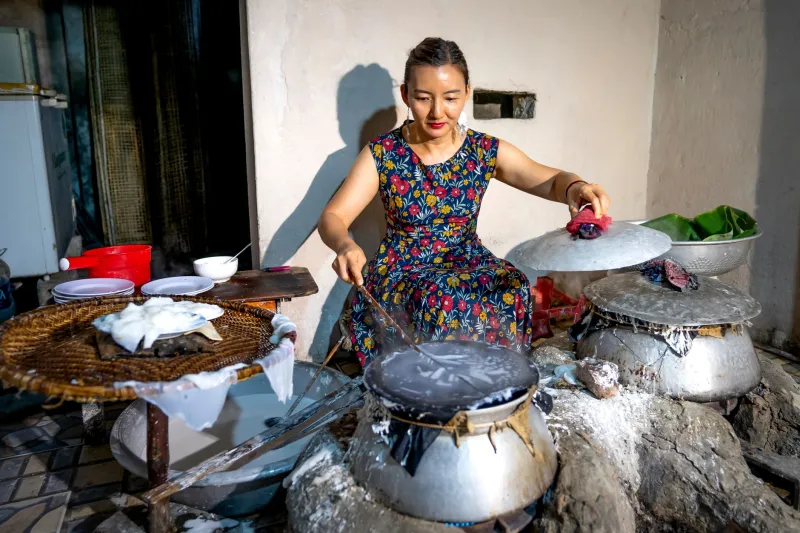
Workers periodically open the barrels, check the color and aroma, and draw off sauce. Nothing is rushed. In a good house, the pace feels almost agricultural. You will see stained wood, salt crystals, hand-written labels, and maybe a fan that has been repaired three times. This is not staged nostalgia. It is the actual equipment of a craft.
Why Phu Quoc Tastes Different
Phu Quoc has a few advantages: a long fishing tradition, local anchovies, salt from nearby coastal areas, and a warm climate that keeps fermentation moving. The island's fish sauce even has a protected reputation, which matters to producers who have watched cheaper imitations trade on the name. But the biggest difference is patience. Industrial sauces can be hurried with additives and heat. Traditional barrel sauce cannot fake the slow break down of fish proteins into that deep, round umami.
When you taste it side by side with a mass-market bottle, look for the finish. Good Phu Quoc fish sauce is salty, yes, but it also has sweetness, a little funk, and a clean ocean edge. It should not taste like a chemistry experiment.
How to Visit Without Turning It Into a Spectacle
Call or message ahead. Many small houses welcome visitors, but they are not set up for busloads. Ask whether they offer tours, whether there is a tasting fee, and whether English is available. If not, a translation app and a polite smile go a long way.
Buy something. A tour is not a free museum. A bottle or two of first-extract sauce is a fair exchange, and it travels well in checked luggage if you wrap it carefully. Ask before photographing workers or the barrel room. Some families are happy to explain; others are busy. Respect the difference.
Avoid showing up at peak production moments without warning, and do not treat the courtyard like a petting zoo. This is a food facility. Wear shoes you do not mind getting a little salty, and keep children close.
A Tasting That Teaches Your Tongue
A good tasting starts with smell, not a spoon. Cup your hand over the small bowl and inhale. You are looking for ocean, not ammonia. Then take a tiny sip. First-extract sauce is strong; it is not meant to be drunk like soup. Taste it next to a diluted version, then next to a supermarket brand. The difference will be obvious.
Ask the family how they use it at home. You will hear about caramelized pork, dipping sauces with lime and chili, marinades for grilled fish, and simple spoonfuls stirred into hot rice. That is the real education.
Bringing It Home: Fish Sauce Beyond the Stir-Fry
American home cooks often treat fish sauce as a pho ingredient or a suspicious bottle at the back of the pantry. Real Vietnamese fish sauce is more versatile than that. Use a few drops in a vinaigrette instead of anchovy paste. Add it to a burger marinade with brown sugar and black pepper. Stir it into caramel sauce for braised pork or chicken thighs. Spike a bloody mary. Whisk it with lime juice, garlic, and a little sugar for a dipping sauce that works on grilled steak, roasted vegetables, or fried rice.
The rule is restraint. First-extract sauce is potent, so start small and taste as you go. Store it in a cool, dark place, and do not panic if the color darkens. That is normal.
Practical Notes for the Road
Phu Quoc's fish sauce houses are scattered around the island, with a concentration in and around Duong Dong and the fishing villages. A motorbike or hired car is the easiest way to reach the smaller family operations. Bring cash in Vietnamese dong, and do not expect credit card machines in a courtyard that has been family-run since before your guidebook existed.
If you are flying onward, check the airline's liquid rules and pack bottles in leak-proof bags. A bottle of first-extract sauce is a better souvenir than another refrigerator magnet. It is also a reminder that the best travel souvenirs are the ones you can cook with later.