Paddle, Protect, Repeat: How Phu Quoc and Phan Thiết Are Turning Eco-Tourism Into a Conservation Movement
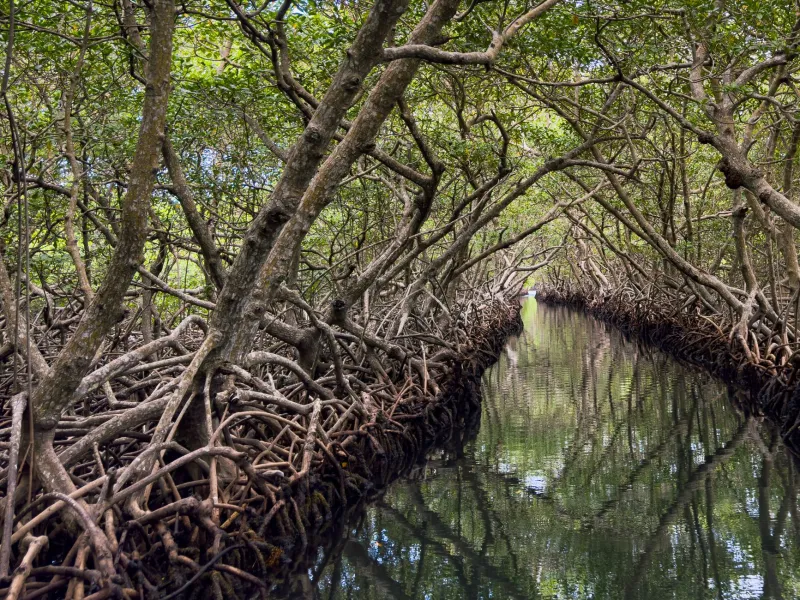
There's a moment, somewhere in the middle of a mangrove canal at dusk, when the noise of your regular life just stops. No notifications. No deadlines. Just the soft drip of a paddle, the chorus of frogs warming up for the night shift, and the faint electric glow of bioluminescent plankton trailing behind your kayak like scattered neon dust. That moment is real, and it's waiting for you in Vietnam — specifically in Phu Quoc and Phan Thiết, two coastal destinations that have quietly evolved from beach escapes into something far more meaningful.
Sustainable travel is having a moment everywhere, but these two spots aren't just slapping an eco-label on a boat tour. They're building genuine, community-rooted conservation programs that let visitors actively participate — and the results are starting to show in ways you can actually see and feel.
Why Mangroves Matter More Than Most People Realize
If you've ever flown into coastal Vietnam and looked out the window, you've probably noticed the lush, tangled green edges hugging the shoreline. Those are mangroves, and they're among the most underappreciated ecosystems on the planet. They filter water, buffer coastlines against storm surge, sequester carbon at rates that shame most forests, and serve as nurseries for the fish that local communities depend on.
For decades, both Phu Quoc and Phan Thiết lost significant mangrove coverage to aquaculture, development, and shrimp farming. But in recent years, local environmental groups — often working alongside international NGOs and, increasingly, tourism operators — have launched restoration projects that are steadily reclaiming those lost edges.
In Phu Quoc, several community organizations now run morning mangrove-planting sessions that are open to travelers. You show up before the heat kicks in, get paired with a local guide, and spend a couple of hours wading through ankle-deep mud pressing seedlings into the silt. It's not glamorous. Your shoes will not survive. But the experience of doing something genuinely useful — rather than just watching someone else do it — hits differently. Many participants describe it as one of the most grounding things they did on their entire trip.
Phan Thiết's mangrove recovery efforts are centered around the Cà Ty River estuary, where restoration teams have been working to reestablish native species displaced by decades of coastal development. Some local tour operators have integrated these sites into half-day kayak excursions, threading paddlers through recovering channels where juvenile fish and migratory birds are already returning. It's slow-burn conservation, and seeing it in progress makes the abstract idea of environmental impact feel very concrete.
Night Kayaking and the Bioluminescence Factor
Okay, let's talk about the part that tends to make people's jaws drop when they get home and try to explain it to friends.
Bioluminescent plankton — microscopic organisms that emit light when disturbed — have long been a feature of certain coastal waters in Southeast Asia. In the right conditions, paddling through these waters at night produces a surreal blue-green glow that looks like something out of a nature documentary. Vietnam's coastal zones, including areas around Phu Quoc and sections of Phan Thiết's less-trafficked coastline, host these phenomena seasonally.
The catch? Responsible operators are selective about when and where they run these tours, because overuse and pollution can devastate bioluminescent populations. The best outfitters cap group sizes, avoid motorized boats in sensitive zones, and use only non-toxic, reef-safe equipment. Some programs also include a brief educational component — usually a short talk from a marine biologist or conservation guide — so participants understand what they're seeing and why protecting it matters.
For American travelers used to the scale and infrastructure of ecotourism in places like Costa Rica or the Florida Everglades, the Vietnamese version feels more intimate and less commercialized. There's no gift shop at the end of the canal. What you get instead is an experience that feels like it belongs to the place rather than being designed for export.
Community-Led Conservation: The Human Side of the Equation
One of the things that sets Phu Quoc and Phan Thiết apart from more generic eco-tourism destinations is the degree to which local communities are driving the conversation — not just participating in programs designed by outsiders.
In Phu Quoc, fishing villages that once relied entirely on increasingly depleted offshore stocks have begun diversifying into guided nature experiences. Former fishers now lead mangrove kayak tours, coral reef monitoring snorkel sessions, and intertidal zone walks that teach visitors how to read the health of a coastal ecosystem. The income from tourism supplements — and in some cases replaces — income from fishing, which reduces pressure on already-stressed marine populations. It's an economic feedback loop that actually works in nature's favor.
Phan Thiết has its own version of this story. Local families who have lived along the coast for generations are increasingly involved in sea turtle nest monitoring programs, particularly during nesting season when patrols along certain beaches help protect eggs from poachers and disorienting light pollution. Some tour operators offer overnight beach stays where guests can join these monitoring walks — a genuinely rare experience that combines adventure with direct conservation value.
What makes these programs feel authentic rather than performative is the lack of polish. The guides don't have rehearsed speeches. The boats are working vessels, not tourist props. You're entering someone's livelihood and their home ecosystem, and that context makes everything more resonant.
How to Do This Trip Right
If you're planning a trip centered around eco-tourism in either destination, a few practical notes:
Timing matters. Bioluminescence is most visible on moonless nights, so check lunar calendars when booking. Mangrove planting sessions are typically scheduled for early morning during the dry season, when water levels and conditions are more manageable.
Vet your operators carefully. Not every company using the word "eco" in their branding actually practices what they're pitching. Look for operators affiliated with local conservation organizations, those with verifiable community partnerships, and those that limit group sizes. Asking direct questions — where does the revenue go, who employs the guides, how are sensitive zones protected — is completely reasonable and usually welcomed by the good ones.
Pack light and pack smart. Reef-safe sunscreen is non-negotiable. Waterproof bags for your gear. Old clothes you don't mind getting muddy. Leave the drone at home near protected wildlife areas — check regulations before flying anything.
Budget for contribution. Several programs offer a voluntary conservation fee on top of the tour cost. Pay it. The amounts are small by US standards and genuinely meaningful on the ground.
The Bigger Picture
Sustainable travel gets talked about a lot, but it can feel abstract — a checkbox on a booking platform, a hotel that claims to recycle. What's happening in Phu Quoc and Phan Thiết is something more tangible. These are places where the line between visitor experience and conservation outcome is genuinely blurred, where showing up with curiosity and a willingness to get a little muddy can translate into real ecological benefit.
The mangroves are coming back. The turtles are nesting. The waters are, in the right places on the right nights, still glowing.
That's worth a long flight and a pair of ruined shoes.