Log Off, Paddle Out: How Phu Quoc and Phan Thiết Are Quietly Becoming America's Favorite Digital Detox Escape
Somewhere between your fourth Zoom call of the day and the moment you realize you haven't looked out a window in three hours, the idea of a digital detox starts sounding less like a wellness trend and more like a survival strategy. The problem? Most "digital detox destinations" are either genuinely off the grid — no connectivity, no comfort — or they're so overrun with other people fleeing their laptops that the detox itself becomes stressful.
Then there's Vietnam's coast. Specifically, Phu Quoc and Phan Thiết.
These two destinations have been quietly building reputations among a very specific kind of American traveler: the kind who wants to disconnect intentionally, not accidentally. The kind who needs the option to check in, but actively chooses not to. If that sounds like you, keep reading.
Why Bali and Chiang Mai Are Starting to Feel Like the Problem
Let's be honest about the Southeast Asia digital nomad circuit. Canggu has become a mirror image of Brooklyn with better weather. The co-working spaces in Chiang Mai's old city are booked weeks out during peak season. These places were once genuine escapes, but their own popularity has turned them into extensions of the hustle culture people were trying to leave behind.
Phu Quoc and Phan Thiết haven't hit that saturation point — yet. The infrastructure is there. The tourist economy is developed enough to offer real comfort. But the vibe hasn't curdled into performance. You're not competing for the window seat at a trendy café so you can post a photo of your iced coffee next to your MacBook. You're just... somewhere beautiful, with the option to work if you need to.
That distinction matters more than it sounds.
The Internet Situation: Honest Talk
Here's what most travel blogs won't tell you straight: connectivity in both destinations is genuinely reliable, but it rewards a little planning.
In Phu Quoc, the northern resort corridor around Long Beach and Duong Dong town has strong 4G coverage from Vietnam's major carriers — Viettel and Mobifone both perform well. Most mid-range and upscale accommodations offer fiber-backed WiFi that can handle video calls without the buffering spiral. For longer stays, a local SIM with a data package runs around $10–15 USD per month and is worth every penny as a backup.
Phan Thiết is similarly wired in its central areas, particularly around Mui Ne and the coastal strip heading toward Ke Ga Lighthouse. The city itself has been investing in infrastructure, and the expansion of tourism has brought connectivity improvements along with it. Remote workers who've based themselves here for a month or two consistently report that the internet holds up for standard workloads — emails, video calls, cloud-based tools — without drama.
The key phrase is intentional use. Both destinations reward the traveler who sets working hours and then genuinely steps away from the screen. The connectivity is there when you need it. The ocean is there when you don't.
Affordable Stays That Don't Feel Like a Compromise
One of the more persistent myths about meaningful travel is that comfort costs a fortune. In Phu Quoc and Phan Thiết, the math works out very differently than it does in, say, a trendy Lisbon apartment or a co-living space in Tulum.
In Phan Thiết, monthly rental rates for a decent guesthouse room with AC, WiFi, and daily cleaning start around $300–400 USD. Furnished short-term apartments near Mui Ne can run $500–700 for a full month — less than a single week in most American beach towns. Phu Quoc is slightly pricier due to its island premium, but budget-conscious travelers can still find solid accommodations in the $400–600 monthly range if they're willing to book directly and stay slightly outside the main resort zones.
For Americans accustomed to paying $2,500 a month for a studio in a mid-tier city, these numbers feel almost fictional. They're not. The cost of living extends to food and transport, too — a full bowl of bún cá (fish noodle soup) in Phu Quoc runs about $1.50, and a motorbike rental for a full day in Phan Thiết rarely exceeds $7.
The Psychology of Slowing Down
Here's where the conversation shifts from logistics to something harder to quantify.
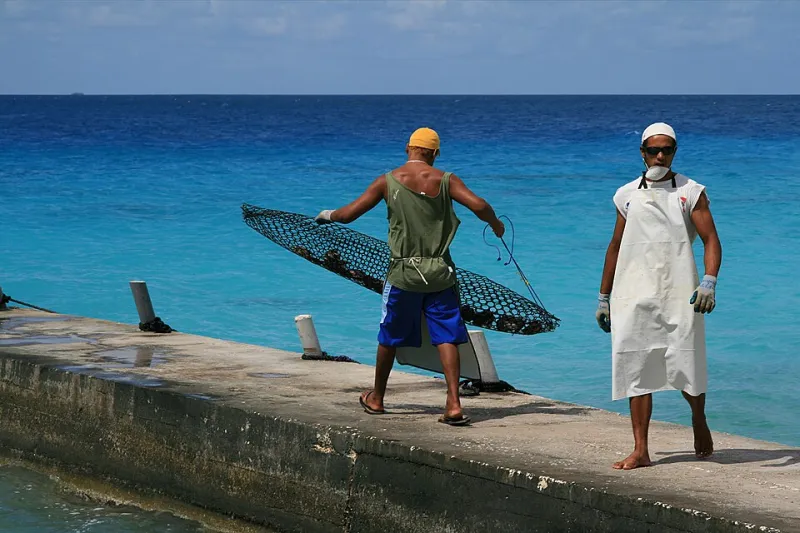
There's a specific kind of mental reset that happens when your daily rhythm is dictated by tides instead of Slack notifications. Both Phu Quoc and Phan Thiết are built around natural cycles — fishing schedules, monsoon seasons, the movement of the sun across the South China Sea. When you spend enough time in that environment, your nervous system starts to recalibrate.
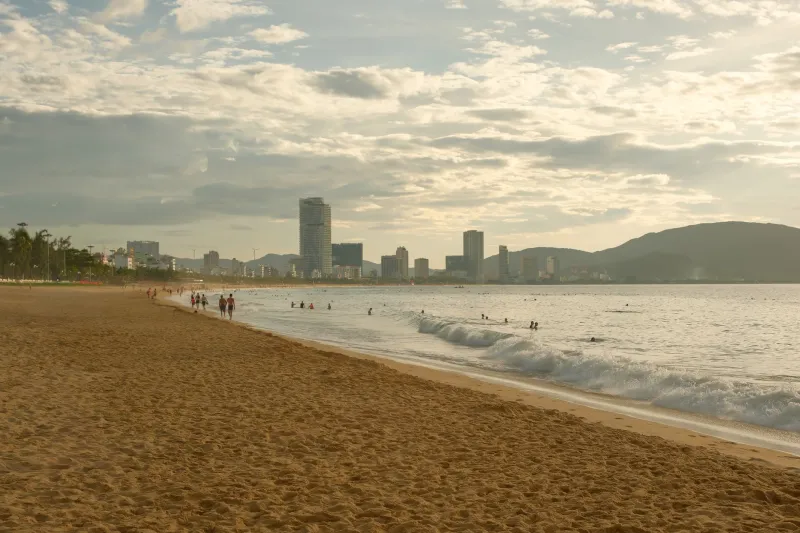
Researchers studying nature exposure and cognitive restoration have consistently found that environments with natural water features — ocean views, the sound of waves, open coastal horizons — accelerate mental recovery from attention fatigue. You don't need a scientific study to confirm this if you've ever sat on a quiet beach at dusk and felt your shoulders drop two inches. But it helps to know the effect is real and documented, not just a feeling.
Phan Thiết's red sand dunes at sunset. Phu Quoc's mangrove kayaking routes. These aren't just Instagram moments — they're neurological resets that the average American work schedule makes nearly impossible to access at home.
Building Your Own Rhythm
The travelers who get the most out of a detox stay in either destination tend to follow a loose structure that keeps them grounded without recreating the pressure of a normal workday.
Mornings belong to movement — a swim, a motorbike ride, a walk through the market before the heat builds. Midday hours, if work is necessary, are handled in the relative cool of an air-conditioned room or a café with reliable WiFi. Afternoons drift toward exploration: a fishing village outside Phan Thiết, a pepper farm in Phu Quoc's interior, a conversation with a guesthouse owner who's watched the coastline change over thirty years. Evenings are for eating slowly and watching the sky do something extraordinary over the water.
It sounds simple because it is. That's the point.
A Different Kind of Productivity
The Americans who come back from Phu Quoc or Phan Thiết talking about transformation aren't usually the ones who worked the whole time. They're the ones who learned to treat disconnection as a skill — something practiced and intentional, not accidental.
Vietnam's coast doesn't ask you to become someone different. It just gives you enough space and enough beauty to remember what you actually care about. Sometimes that's the most productive thing you can do.