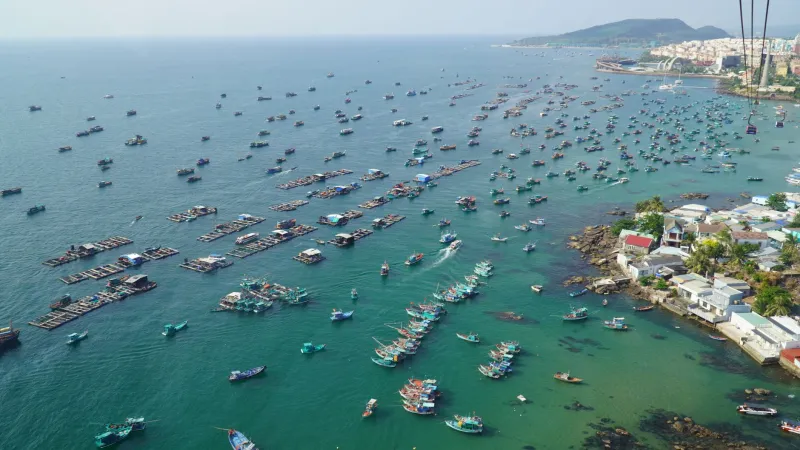
The Other Vietnam: Why Phan Thiết Is the Coastal Destination You Should Have Booked Instead of Phu Quoc
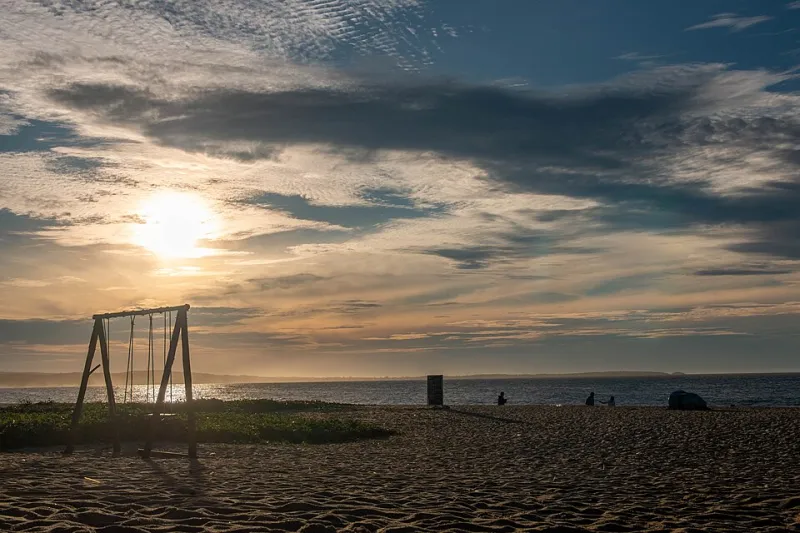
Photo: MinhVN123, CC BY-SA 4.0, via Wikimedia Commons
There's a moment that happens in a lot of popular travel destinations — the moment you realize you're not really experiencing a place, you're consuming a version of it that's been packaged and polished for people exactly like you. The menus have English translations and QR codes. The "local" market has a designated tourist entrance. The beach bar is playing the same playlist you heard in Bali.
Phu Quoc, for all its genuine beauty, has arrived at that moment. Phan Thiết hasn't — at least not yet.
That gap between them is worth understanding, because it shapes everything about the kind of trip you'll actually have.
How Phu Quoc Got Famous (And What That Cost It)
Phu Quoc's rise wasn't accidental. Vietnam's government identified the island as a priority tourism development zone in the early 2000s, and the investment that followed was enormous. An international airport opened in 2012, suddenly making the island accessible from Bangkok, Singapore, and eventually direct connections from further afield. Casino licenses followed. Then came the cable car, the safari park, the sprawling resort complexes along Long Beach, and the luxury hotel brands that signal to a certain traveler that a destination has "arrived."
The results are genuinely impressive by some metrics. Phu Quoc now draws millions of visitors annually. Infrastructure is solid. English is widely spoken in tourist areas. You can get a decent flat white and reliable Wi-Fi on the beach. For travelers who want the certainty of a well-oiled tourism machine, Phu Quoc delivers.
But that same development compressed something. The fishing villages that once defined the island's character have been partially absorbed by resort sprawl. Land prices pushed longtime residents inland. The fish sauce producers and pepper farmers who gave Phu Quoc its cultural identity now operate somewhat in the shadow of the entertainment complexes. The island is still beautiful. It's just more legible, more predictable, and — for a growing number of travelers — more familiar than they wanted.
Phan Thiết Took a Different Path
Phan Thiết didn't get the same memo. Sitting about three and a half hours northeast of Ho Chi Minh City by road, the town has been a domestic Vietnamese vacation spot for decades — Mũi Né, its beachside district, became a windsurfing destination in the 1990s and attracted a small international crowd of kitesurfers and backpackers who appreciated its low-key energy. But the big international investment never fully materialized the way it did in Phu Quoc.
That's partly geography — no direct international airport, no island mystique to market globally — and partly timing. By the time Vietnam's tourism industry started aggressively courting international visitors, Phu Quoc had already become the poster child. Phan Thiết remained a secondary story.
The result, unintentionally, is a destination that feels more like Vietnam and less like an international resort product. The fishing harbor is working infrastructure, not a scenic backdrop. The local market serves the town's residents first and tourists second. The restaurants that have been open for twenty years are still open because the locals eat there, not because they showed up on a travel blog.
What "Authentic" Actually Means Here (And Why It Matters to American Travelers)
Authenticity is an overused word in travel writing, and it deserves some scrutiny. Plenty of destinations market themselves as "authentic" while carefully managing every interaction visitors have with local culture. That's not what's happening in Phan Thiết.
What authenticity looks like here is specific and sometimes a little unpolished. It means the woman running the bánh mì cart has been in the same spot for fifteen years and doesn't speak much English, but she knows exactly how to read what you're pointing at. It means the red sand dunes at Mũi Né are genuinely empty at sunrise because there's no organized tour infrastructure pushing busloads of visitors out there at 5 a.m. It means the fish sauce that flavors everything you eat in Phan Thiết is made locally, by families who've been doing it for generations, and you can actually visit those operations without a choreographed tourism experience attached.
For American travelers who've done the standard Southeast Asia circuit — Bali, Phuket, maybe Phu Quoc — and come away feeling like they watched a highlight reel rather than experienced a place, Phan Thiết offers something different. It's a destination where the friction hasn't been entirely smoothed away, and that friction is where the interesting stuff lives.
The Value Equation Is Genuinely Different
Let's talk money, because it matters. Phu Quoc's premium resort corridor — particularly around Phú Quốc United Center and Long Beach — now prices similarly to mid-range beach destinations in Mexico or the Caribbean. You can spend $200 to $400 a night without blinking. The high-end restaurants near the tourist strip have adjusted their pricing to match what the market will bear.
Phan Thiết operates in a different economic register. Accommodation options range from genuinely budget guesthouses to comfortable mid-range hotels and a handful of boutique properties that would cost three times as much in a more famous destination. A full seafood dinner for two — fresh catch, multiple dishes, local beer — regularly comes in under $20. Motorbike rentals, cooking classes, day trips to the dunes: all of it is priced for a market that includes regular Vietnamese vacationers, which keeps the numbers honest.
For a US traveler already absorbing international airfare, that difference in daily spend adds up fast. A week in Phan Thiết at the same comfort level as a shorter trip to Phu Quoc can realistically cost significantly less — and you'll likely have more interesting stories to tell when you get home.
Cultural Preservation as a Travel Benefit
There's a less self-interested reason to choose Phan Thiết, too. Heavy tourism development has real costs for local communities — land displacement, cultural commodification, economic dependence on visitor spending that can evaporate overnight. Phu Quoc has navigated some of these tensions more carefully than others, but the pressures are real and visible.
Phan Thiết's slower development pace has, somewhat by accident, preserved more of its cultural fabric. The fishing industry is still central to the town's identity. The food traditions — the fish sauce, the bánh căn rice cakes, the seafood preparations that reflect the Cham culinary influence in the region — are still shaped by local practice rather than tourist expectation. Choosing to spend your travel dollars in a place like this isn't just good for your trip; it's a small vote for a different model of tourism development.
Who Phan Thiết Is Actually For
Not every traveler is the right fit for Phan Thiết, and that's worth being honest about. If you want a full-service beach resort experience with a swim-up bar and a kids' club, Phu Quoc is genuinely better set up for that. If language barriers stress you out or you need everything pre-organized through an English-speaking tour operator, Phu Quoc's tourism infrastructure is more accommodating.
But if you're the kind of American traveler who gets on a plane specifically to encounter something different — who'd rather figure out the motorbike rental situation than book a shuttle, who finds more pleasure in a meal that required some pointing and guessing than in one ordered from a laminated photo menu — Phan Thiết is waiting for you.
It's not undiscovered. Plenty of people know about it. It's just that most of the international tourism world has been looking the other way. For now, that's your advantage.